

Protecting yourself from a potential lightning strike may seem like a daunting task but can be simple if you follow some basic preventative measures. Lightning is one of nature’s most powerful and unpredictable forces. While it can be awe-inspiring to watch from a safe distance, lightning also poses serious risks to people, pets, property, and homes. Understanding the facts and knowing how to protect yourself can help reduce the danger.
The odds of being struck by lightning in your lifetime are 1 in 15,300. Men are four times more likely than women to be struck. While you can’t control how much lightning occurs during a thunderstorm, you can control your behavior when storms approach, and that makes all the difference. Between 2006 and 2021, 444 lightning strike deaths occurred in the United States.
Lightning is one of nature’s most powerful forces. Each year in the U.S., it kills about 20 people, and can even damage homes through power surges. While lightning may seem unpredictable, the right precautions, from knowing where to take shelter to installing a lightning protection system, can make all the difference.
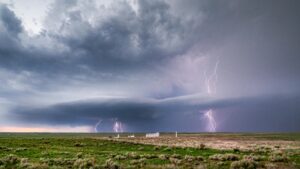 Spotting Risk: Lightning Strike Maps & Heat Lightning
If it is storming outside, before heading outdoors, check a lightning strike map to track storm activity in real time. This can help you plan and avoid dangerous areas. Don’t be fooled by heat lightning, either. Heat Lightning is lightning from a storm too far away to hear the thunder, but it’s a sign storms are active nearby.
Staying Safe Outdoors and Indoors
If you’re outside, avoid open fields, tall, isolated trees, metal, and water. The safest places are storm shelters, substantial buildings, or enclosed vehicles with metal roofs. A tent, picnic shelter, or shed do not offer protection. Cars, buses, and vans with a metal roof also provide good shelter from lightning. Indoors, stay off corded phones, keep away from windows and doors, and avoid touching plugged-in devices. You should also stay off balconies and porches and out of open garages and car ports.
Protecting Your Home
Lightning can travel through wires, cables, and pipes, putting your home at risk for fires or power surges. A professionally installed lightning protection system, including surge suppressors, can help direct lightning safely into the ground, protecting your home and electronics. Lightning causes about 25,000 fires each year including more than 4,000 house fires, resulting in major property damage. It can enter your home through wires, cables, and pipes. Surge arrestors and suppressors can help prevent lightning from entering via phone and electrical wires.
Don’t Forget Pets and Livestock
Doghouses, barns without proper grounding, or chaining pets to trees are not safe. Make sure animals are brought inside sturdy shelters during storms.
Plan Ahead
Listen to weather forecasts, keep an eye on a lightning strike map, and always have a plan that answers: Where will you go? How will you get there? Who will monitor conditions? And remember wait 30 minutes after the last thunder before going back outside.
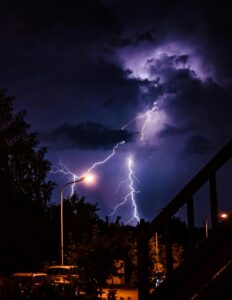
Lightning Facts You Should Know
- From 2006 to 2021, 444 people lost their lives to lightning strikes.
- Texas and Florida top the list for lightning-related deaths, with Florida considered the “lightning capital” of the U.S.
- Lightning can strike up to 10 miles from a storm, meaning if you hear thunder, you’re already at risk.
- Many deaths occur in July, the peak of thunderstorm season.
- About 1/3 of lightning related injuries occur indoors.
- Lightning can strike more than 10 miles away from an area of rainfall.
5 Ways Lightning Strikes People
- Direct Strike: struck directly by lightning
- Side Flash: when lightning strikes a taller object near the victim and a portion of the current jumps from the taller object to the victim.
- Ground Current: When lightning strikes a tree or other object, much of the energy travels outward from the strike in and along the ground surface. Anyone outside near a lightning strike is potentially a victim of ground current
- Conduction: Lightning can travel long distances in wires or other metal surfaces. Metal does not attract lightning, but it provides a path for the lightning to follow. Most indoor lightning casualties and some outdoor casualties are due to conduction.
- Streamers: streamers develop as the downward-moving leader approaches the ground.
Lightning Myths
Myth: Lightning never strikes the same place twice.
Fact: Lightning often strikes the same place repeatedly, especially if it’s a tall, pointy, isolated object. The Empire State Building is hit an average of 23 times a year
Myth: If outside in a thunderstorm, you should seek shelter under a tree to stay dry.
Fact: Being underneath a tree is the second leading cause of lightning casualties. Better to get wet than fried!
Myth: If thunderstorms threaten while you are outside playing a game, it is okay to finish it before seeking shelter.
Fact: Many lightning casualties occur because people do not seek shelter soon enough. No game is worth death or life-long injuries. Seek proper shelter immediately if you hear thunder. Adults are responsible for the safety of children.