
As temperatures drop, energy naturally rises, but that doesn’t mean your utility bills have to. By taking a few proactive steps during the winter months, homeowners can stay warm, improve energy efficiency, and reduce the risk of cold-weather damage. The following energy saving tips for winter focus on smart energy use while helping protect your home throughout the season.
Seal Drafts and Insulate Properly
Drafts around windows, doors, and utility openings are a major source of heat loss during the winter. Even small gaps can allow warm air to escape, forcing your heating system to work overtime. Sealing cracks with caulk, adding weatherstripping, and installing door sweeps can make a noticeable difference. Proper insulation in attics, basements, crawl spaces, and exterior walls also helps maintain consistent indoor temperatures, improving comfort while lowering energy costs.
Use Your Thermostat Strategically
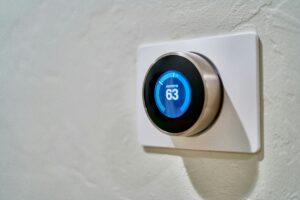
Managing your thermostat wisely is one of the simplest ways to save energy during winter months. Lowering the temperature when you’re asleep or away from home can reduce heating costs without sacrificing comfort. Programmable or smart thermostats can automatically adjust temperatures throughout the day, ensuring your system runs efficiently. Avoid frequent temperature changes, as constant adjustments can strain your heating equipment and increase energy use.
Maintain Your Heating System
A well-maintained heating system operates more efficiently and is less likely to fail during periods of extreme cold. Replacing air filters regularly improves airflow and system performance, while annual professional inspections help identify potential issues before they become costly repairs. Keeping vents and radiators clear allows heat to circulate evenly, reducing the need for higher thermostat settings.
Make the Most of Natural Heat
Sunlight can provide a surprising amount of free warmth during winter days. Opening curtains or blinds on south-facing windows allows sunlight to naturally heat your home, reducing the need for constant heating. Once the sun sets, close curtains, especially insulated or thermal ones to help retain heat. This simple habit can improve energy efficiency without any added cost.
Insulate and Protect Water Pipes
Cold temperatures put plumbing at risk of freezing, which can lead to burst pipes and costly water damage. Insulating exposed pipes in unheated areas such as basements, attics, and garages helps maintain safe temperatures. Keeping cabinet doors open under sinks and maintaining consistent indoor heat allows warm air to circulate around plumbing. These steps not only protect your home but also help avoid unexpected winter repairs.
Using a Space Heater Safely
While space heaters can provide supplemental warmth, they should always be used with caution. Always keep heaters at least three feet away from combustible materials and never leave them unattended. Choose models with automatic shut-off features and plug them directly into wall outlets. Space heaters should never be attached to an extension cord. Using space heaters safely can help you stay warm without increasing fire risk or energy waste.
Heating Equipment Inspections
Regular inspections of furnaces, boilers, and other heating equipment are essential for safe and efficient operation. A professional inspection can detect worn components, carbon monoxide risks, or efficiency issues before they lead to system failure. Ensuring your heating equipment is in good working order not only supports energy savings but also helps protect your home and family throughout the winter season.
A little preparation now can make a big difference during the coldest months of the year. Staying energy-conscious not only supports your budget but also helps safeguard what matters most, your home and family.